Understanding Physical Fitness
Physical fitness represents the capacity of your body to perform physical activities effectively. True fitness encompasses not just the ability to perform a single activity but balanced development across multiple physical dimensions: strength, endurance, flexibility, and movement quality.
The Essential Components of Fitness
Muscular Strength
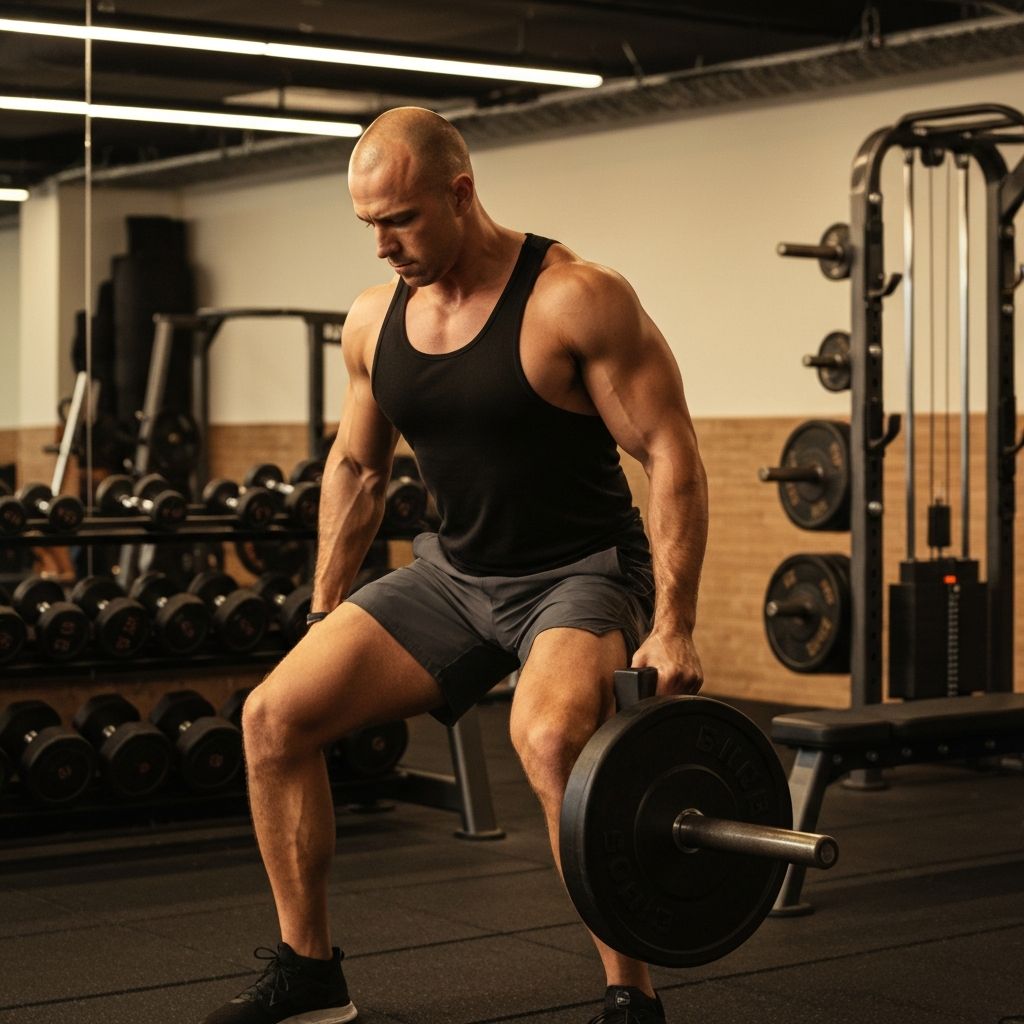
Strength is the capacity of muscles to produce force. Developing strength requires progressively challenging muscles through resistance training. This training triggers muscle adaptation, resulting in increased force production capacity and resilience.
Strength training benefits extend beyond physical capability:
- Improved metabolic health and bone density
- Enhanced posture and movement quality
- Increased physical confidence and resilience
- Protection against age-related muscle loss
Cardiovascular Endurance
Cardiovascular endurance is the heart and lungs' ability to deliver oxygen to working muscles over sustained periods. Regular aerobic activity—including walking, running, cycling, or swimming—develops cardiovascular capacity and provides foundational fitness benefits.
Consistent aerobic activity supports:
- Heart and lung health
- Improved circulation and oxygen delivery
- Enhanced mental clarity and mood
- Sustainable energy for daily activities
Flexibility and Movement Quality
Flexibility—the range of motion available at joints—supports movement quality and injury prevention. Maintaining healthy mobility through stretching, dynamic movement, and practices like yoga contributes significantly to overall fitness quality and long-term health.
Principles of Sustainable Training
Sustainable fitness is built on training principles that produce consistent improvements while remaining adaptable to life circumstances and injury prevention.
Progressive Overload
Consistent improvement in fitness requires gradually increasing training demands. This can be achieved through:
- Increasing weight or resistance used
- Increasing repetitions or volume of training
- Increasing intensity or speed of execution
- Decreasing rest periods between sets
The key is gradual progression—small, manageable increases that accumulate into significant improvements over weeks and months.
Consistency and Frequency
Fitness improvements require consistent training. While occasional intense training provides temporary stimulus, sustainable progress emerges from regular, moderate training that can be maintained indefinitely.
Research suggests that training 3-5 sessions per week, with adequate recovery between sessions, produces optimal progress for most individuals while remaining sustainable.
Recovery and Adaptation
Adaptation occurs not during training but during recovery. Adequate sleep, nutrition, and rest days between intense training sessions are as important as the training itself. Overtraining without sufficient recovery leads to plateaus, injury risk, and burnout.
Diverse Workout Methodologies
Many effective approaches exist for developing fitness. Different training styles offer different benefits and suit different preferences and circumstances.
Resistance Training
Using weights, resistance bands, or bodyweight, resistance training develops strength and muscle mass. Training can emphasize different muscle groups on different days (split routines), full-body training, or functional movement patterns.
Aerobic Training
Steady-paced activities like running, cycling, or swimming develop cardiovascular capacity. Alternatively, interval training—alternating between high-intensity and recovery periods—develops both cardiovascular fitness and metabolic capacity in shorter timeframes.
Functional Movement and Mobility
Training that emphasizes practical movement patterns and mobility—including activities like yoga, martial arts, or functional fitness—develops balanced fitness while supporting movement quality and injury prevention.
Hybrid Approaches
Many effective training programs combine multiple approaches, alternating between strength, cardiovascular, and mobility work throughout the week. This variety maintains interest while developing comprehensive fitness across multiple dimensions.

Building Long-Term Fitness Practice
The difference between temporary training and sustainable fitness practice lies in integration into lifestyle and enjoyment of the process.
Finding Sustainable Activities
The most effective exercise is the one you will actually perform consistently. This might be weight training, running, cycling, team sports, or martial arts—the specific activity matters less than genuine interest and consistency.
Adapting to Life Circumstances
Training that demands rigid schedules and specific equipment often fails when life circumstances change. Sustainable fitness includes flexibility to adapt training—reducing frequency during busy periods, modifying exercises based on available equipment, or shifting training types while maintaining the habit of regular physical activity.
Performance Metrics and Progress
Tracking progress—whether through strength gains, increased running distance, improved body composition, or simply sustained consistency—provides motivation and objective evidence of improvement. This might involve formal testing or simply noting performance markers during regular training.
Exercise and Mental Health
Beyond physical adaptations, consistent physical training supports mental health, stress resilience, and emotional regulation. Physical activity produces endorphins, reduces stress hormones, and provides a sense of agency and control—all significant contributors to overall wellness.
Conclusion
Sustainable fitness emerges not from extreme training but from consistent application of training principles adapted to individual preferences and circumstances. Through progressive development across multiple fitness dimensions and integration into lifestyle, physical training becomes a foundation of holistic wellness.
The goal is not perfection but the establishment of sustainable practices that serve your health and capacity throughout life.